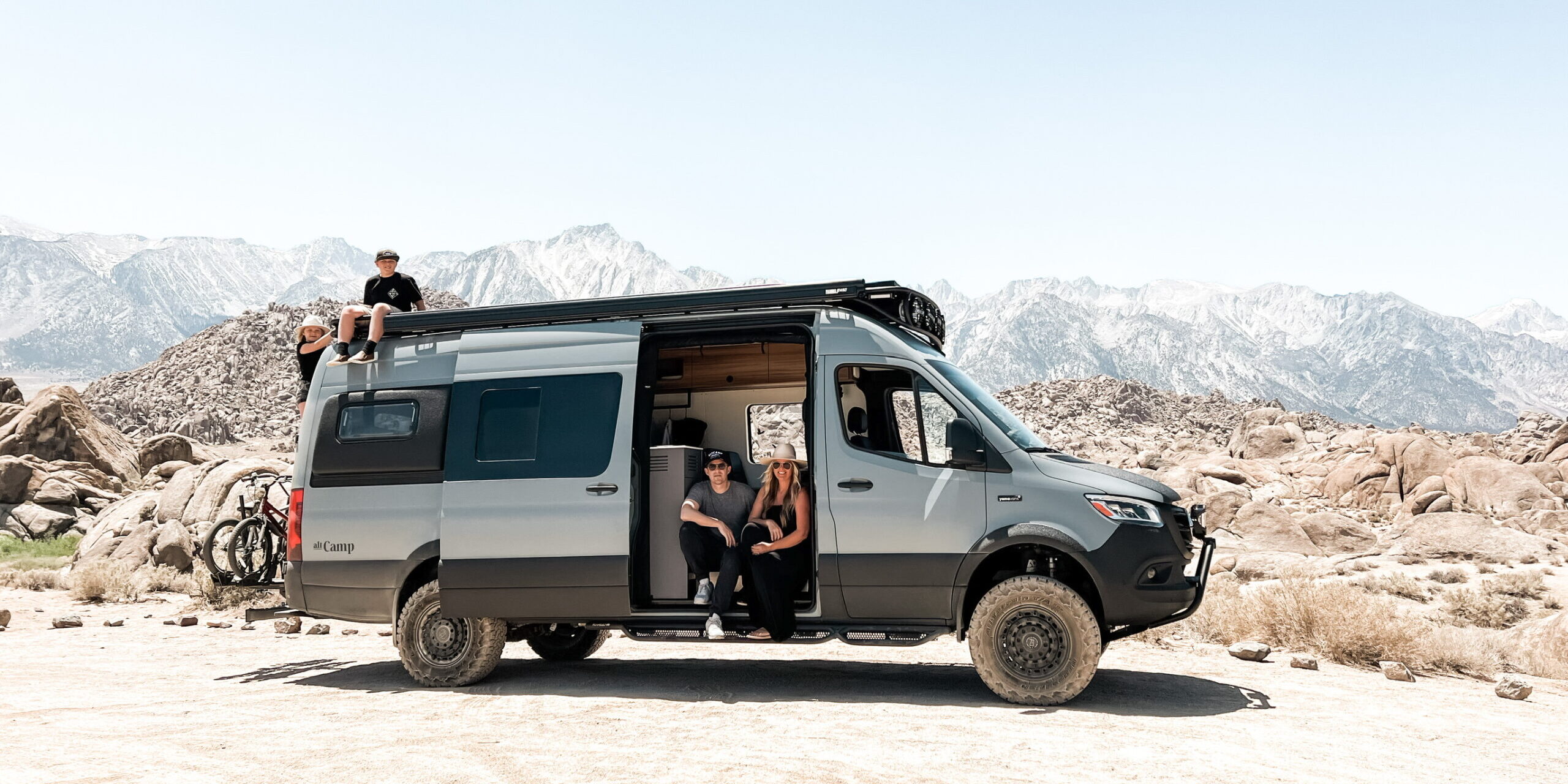
In 2026, the U.S. camper van rental market is anticipated to become a significant player, moving beyond a niche role overshadowed by larger Class C and Class A RVs. According to a report by altCamp, an online marketplace connecting adventurers with over 1,000 camper vans and Class B RVs across North America, this market is poised for considerable expansion.
The report notes there are currently 3,243 active camper van rental listings in the U.S., generating demand from approximately 122,270 searches per month. Projections from Grand View Research suggest that rental sales for this segment will grow at a compound annual growth rate of 9% from 2026 to 2033, significantly outpacing the overall RV rental market.
Notably, 74.6% of camper van listings are supplied by private renters, which highlights a key market dynamic. Adam Bosch, founder and president of altCamp, remarked on the strategic opportunities for RV dealers in the Class B rental sector, particularly in less saturated locations.
The report indicates a concentration of Class B rentals in Western metro areas like Los Angeles and Denver, but demand is not always aligned with supply.
For instance, Las Vegas has much higher search demand compared to the number of listings available, making it a potential target for expansion. Bosch emphasized that private owners and dealers each have advantages, yet he believes that dealers can offer a level of service and reliability that builds customer trust, especially for those considering purchasing a Class B RV.
The altCamp report also highlights that a significant portion of the rental fleet is relatively new, with 59.7% of the vehicles being model year 2020 or newer. Additionally, Mercedes-Benz leads in chassis platforms for these rentals, with Winnebago emerging as the most recognized builder. Median rental prices are around $215 per night, reflecting high-quality features in the vehicles available.
Finally, Bosch noted that the Class B rental market represents a crucial opportunity not only for individual rentals but also for introducing younger consumers and new adventurers to the RV lifestyle, positioning camper vans as a vital segment in the evolving recreational vehicle market.
Source: rvbusiness.com